
Serving Lucas, Ottawa, Sandusky and Wood Counties
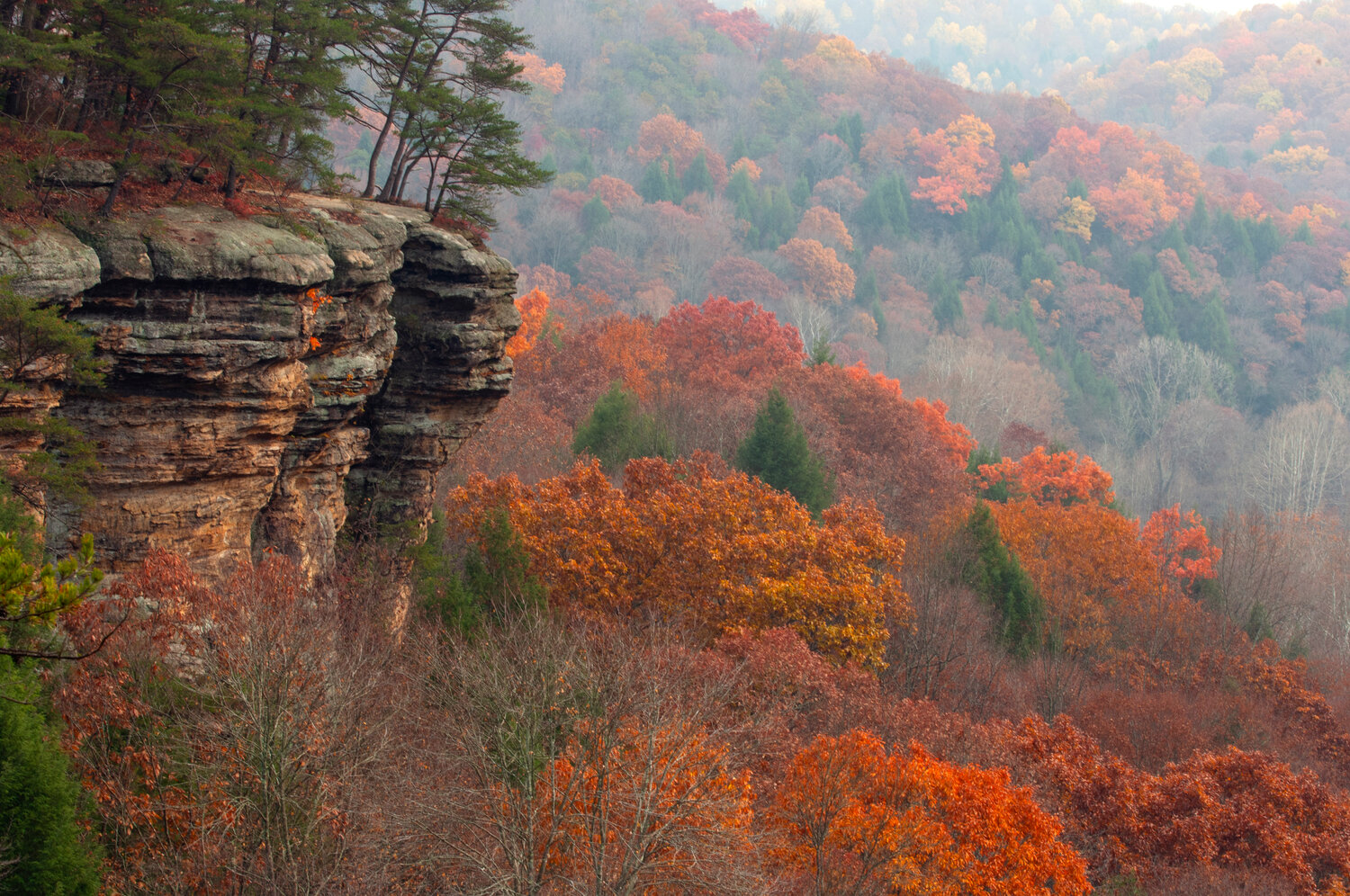
Ohio may not be blessed with vast wilderness acreage but what it does have is an extensive network of state parks, preserves, regional park systems, municipal parks and conservancy lands that is the envy of the nation.
It’s common for those who visit or relocate to Ohio to be surprised at the beauty and variety of natural areas to visit and enjoy.
So many great places that it’s a good bet most Ohioans don’t even know the extent of choices available. It’s a fact that some of the best natural places in Ohio just aren’t very well known.
It’s not that people are trying to keep them secret. It’s just that they exist in relative obscurity. They’re not frontline destinations like our biggest state parks. They’re not fodder for the tourism bureaus to feature. Some of them don’t have many amenities, or they’re in remote locations, or maybe they just don’t get the attention they deserve.
Some of Ohio’s best gems are to be found in the long list of state nature preserves. You’ll find some on roads seldom traveled. Others are surrounded by a bigger better-known place, like Mohican State Park, Hocking Hills, or Hueston Woods.
They range in size from an acres to hundreds of acres.
There are 146 state-listed preserves in Ohio, four of them in Lucas County. Irwin Prairie, Campbell Prairie and Kitty Todd Preserve were joined early this year by one of the state’s newest designated preserves, Blue Creek Limestone Glade, which is surrounded by Blue Creek Metropark.
Just a short drive away for us is Goll Woods, a premier natural area noted for its old growth forest and spring wildflowers, You’ll find that 312-acre preserve northwest of Archbold, not far from another popular Northwest Ohio attraction, Sauder Village.
Holden Arboretum, located east of Cleveland in Geauga County, is well-known for the beauty and quality of its formal collections. The big surprise might just be the special natural areas it also counts in its holdings.
Count Stebbins Gulch as a natural treasure that’s one of our state’s biggest secrets. Holden Arboretum calls it the crown jewel of their extensive natural area holdings, which also include Little Mountain.
The Ohio History Connection – you might remember it as the Ohio Historical Society – has its own share of natural treasures, a diversion from the commonly held notion that OHC is all about human history. Among its many facilities is Cedar Bog Nature Preserve near Springfield, which is a bona fide natural treasure. OHC calls it “the largest and best example of a boreal and prairie fen complex in Ohio.” And they’re right. Especially good is timing a visit to enjoy the splendor of the showy lady’s-slipper orchids in bloom.
The Cleveland Museum of Natural History, in an effort spearheaded by botanist Jim Bissell, has been instrumental in acquiring key natural areas in northeast Ohio all the way over to significant sites on the Lake Erie Islands. Count among them such diverse areas as Grand River Terraces, Cathedral Woods, Morgan Swamp and Cuyahoga Wetlands among the sites their work has contributed to preservation.
Arguably the best and best-known state preserve is Conkles Hollow in the Hocking Hills. The rugged, rocky gorge with outstanding scenic features is a very popular destination.
For a complete list of state preserves as well as information on the state scenic rivers and Ohio’s rare plants, visit naturepreserves.ohiodnr.gov.


